

NEWS
Views :
The Hidden Secrets Behind Stainless Steel Pipe Manufacturing
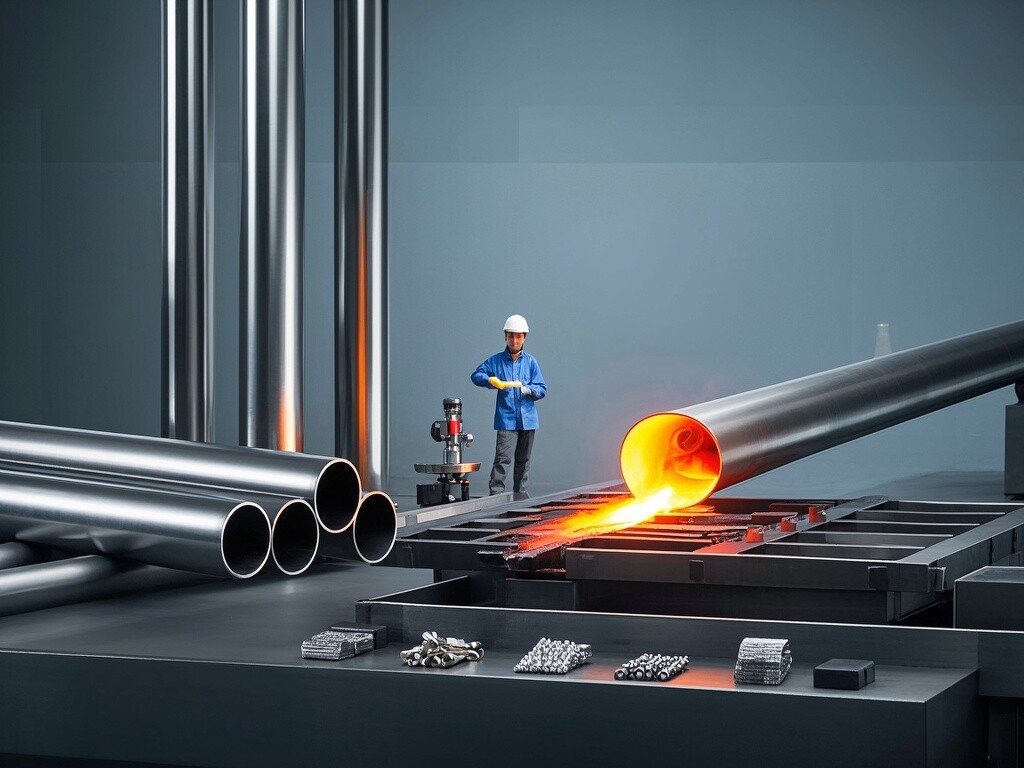
The Science of Stainless Steel Pipe Production
Modern stainless steel pipe manufacturing combines metallurgical expertise with precision engineering. The process begins with carefully selected raw materials - primarily iron ore, chromium (minimum 10.5%), and often nickel or molybdenum for enhanced properties. These elements undergo electric arc furnace melting at temperatures exceeding 1,600°C, where precise chemical composition is maintained through spectrographic analysis.
Key Production Methods
Manufacturers employ three primary techniques to create stainless steel pipes:
Quality Control: Beyond Surface Inspection
Reputable manufacturers implement rigorous testing protocols that exceed basic ASTM A312 standards. Ultrasonic testing detects microscopic flaws, while hydrostatic testing verifies pressure ratings up to 300% of working capacity. Advanced facilities employ:
- Eddy current testing for weld integrity
- Spectrometry for material verification
- Intergranular corrosion testing for austenitic grades
Industry-Specific Applications
The unique properties of stainless steel pipes make them indispensable across sectors:
Chemical Processing: Grade 316L pipes resist sulfuric acid at concentrations up to 5% at 100°C. Specialized alloys like 254 SMO handle even more aggressive media.
Food & Beverage: Electropolished 304 pipes meet 3-A Sanitary Standards with Ra values below 0.8 μm, preventing bacterial adhesion.
Energy Sector: Super duplex grades like 2507 withstand chloride-rich environments in offshore platforms, with pitting resistance equivalent numbers (PREN) exceeding 40.
Why Partner With Our Steel Experts?
With 15 years of metallurgical expertise, we provide more than just stainless steel pipes - we deliver engineered solutions. Our technical team can specify:
- Optimal wall thickness calculations for your pressure requirements
- Cost-performance analysis of alternative alloys
- Custom fabrication including orbital welding for critical joints
Contact our engineers today for a project-specific consultation. Let's build infrastructure that lasts generations, not just decades.