

NEWS
Views :
Stainless Steel Plate Grades: How to Choose the Right One?
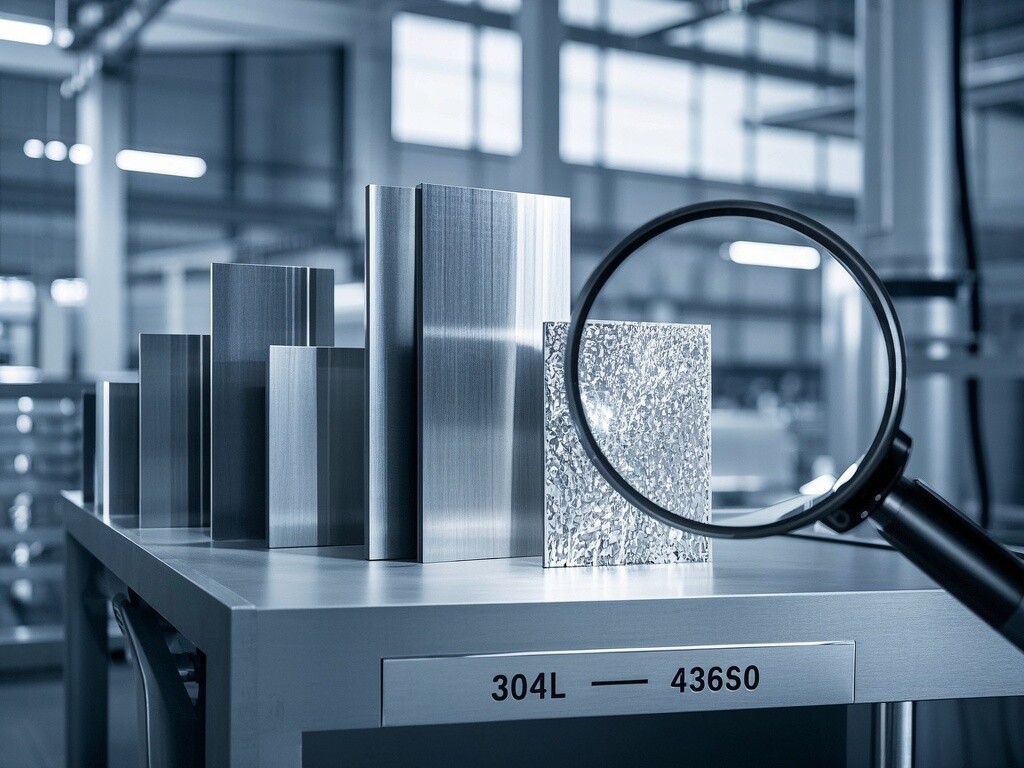
Understanding Stainless Steel Plate Grades
Stainless steel plates come in various grades, each designed for specific applications and environments. The three main categories are austenitic, ferritic, and martensitic stainless steels, with duplex grades combining properties from multiple categories.
Most Common Stainless Steel Plate Grades
Key Selection Factors for Stainless Steel Plates
Choosing the right stainless steel plate grade requires careful consideration of several critical factors:
1. Corrosion Resistance Requirements
The primary reason for selecting stainless steel is its corrosion resistance. Evaluate your environment for:
- Atmospheric conditions (humidity, salt exposure)
- Chemical exposure (acids, alkalis, chlorides)
- Temperature extremes
- Potential for crevice or pitting corrosion
2. Mechanical Properties Needed
Different applications demand varying mechanical characteristics:
- Strength: Martensitic grades offer highest tensile strength
- Ductility: Austenitic grades provide superior formability
- Hardness: Important for wear resistance applications
- Impact resistance: Critical for low-temperature applications
3. Fabrication Requirements
Consider how the plate will be processed:
- Welding characteristics vary significantly between grades
- Forming and machining requirements
- Heat treatment needs
- Surface finish specifications
Specialty Stainless Steel Plate Grades
Beyond standard grades, several specialized options exist for demanding applications:
Duplex Stainless Steels
Combining austenitic and ferritic structures, duplex grades like 2205 offer:
- Twice the yield strength of standard austenitic grades
- Excellent resistance to stress corrosion cracking
- Good weldability and formability
Precipitation Hardening Grades
Grades like 17-4PH provide:
- High strength through heat treatment
- Good corrosion resistance
- Dimensional stability during aging
Industry-Specific Recommendations
Food Processing Applications
For food contact surfaces, consider:
- 304 or 316 for most applications
- Electropolished finishes for cleanability
- Certified materials meeting FDA/3-A standards
Marine and Offshore Applications
Saltwater environments demand:
- 316 or higher grades for submerged components
- Duplex grades for structural applications
- Proper passivation after fabrication
Why Choose Our Stainless Steel Plates?
Our company stands out in the stainless steel plate market through:
- Technical expertise: Our sales team includes metallurgical specialists
- Custom processing: We offer cutting, forming, and finishing services
- Quality assurance: Full traceability and mill test reports
- Inventory availability: Extensive stock of common grades and sizes
Need help selecting the perfect stainless steel plate grade for your project? Contact our technical team today for personalized recommendations based on your specific requirements.