
NEWS
Views :
What Actually Drives Stainless Steel Website Development Costs for Machine Tool Operators in 2026
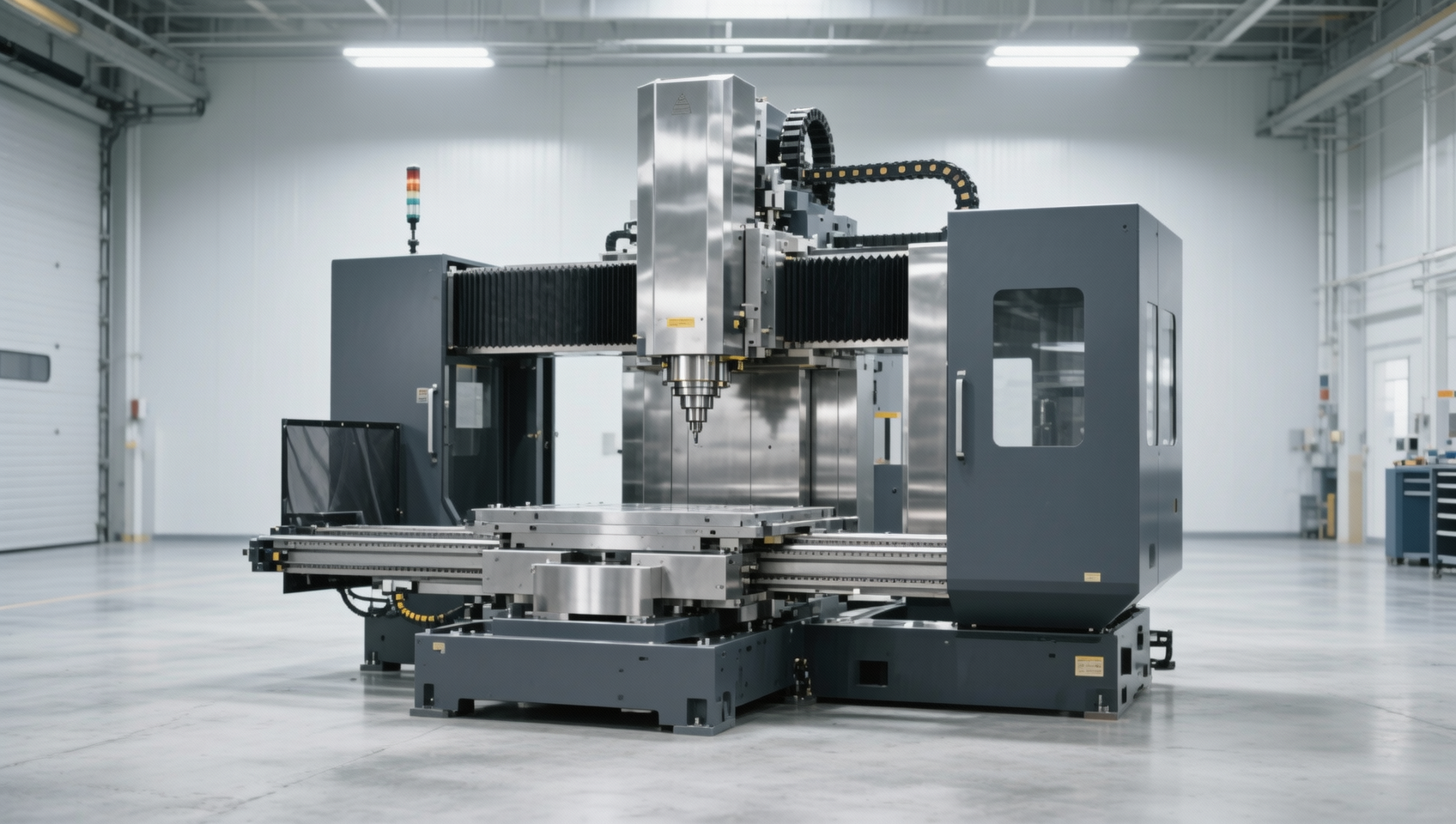
What actually drives stainless steel website development costs for machine tool operators in 2026? If you're a hands-on operator managing CNC or precision fabrication equipment, you need a site that reflects your expertise—not bloated features or hidden fees. 'Stainless Steel网站建设成本' isn’t just about coding or templates; it’s about ROI-driven design, multilingual SEO for global buyers, and AI-optimized performance tailored to industrial users. At Eyingbao—founded in 2013 and trusted by 30,000+ SMEs—we break down real cost drivers: from stainless-grade UI reliability to lead-converting bilingual landing pages. Let’s cut through the noise.
Why “Stainless Steel” Website Design Isn’t Just a Metaphor
In 2026, “stainless steel” website development refers to structural resilience—not aesthetics alone. For machine tool operators, this means zero downtime under high-traffic spikes from international RFQ portals, consistent load times across factory-floor tablets (even on 4G), and UI elements that survive repeated use without visual degradation or functional drift.
Unlike generic SaaS builders, industrial-grade websites must withstand real-world usage patterns: 12–18 hour daily operation cycles, frequent multilingual switching during buyer demos, and seamless integration with legacy ERP or MES data feeds. That durability demands purpose-built architecture—not off-the-shelf themes.
Eyingbao Cloud Intelligent Website System enforces this standard via hardened front-end rendering, server-side preloading of technical specs (e.g., spindle speed ranges, repeatability tolerances), and automatic fallbacks for offline PDF catalog access—all tested across 7 device types common in machine shop environments.
What Actually Moves the Cost Needle in 2026
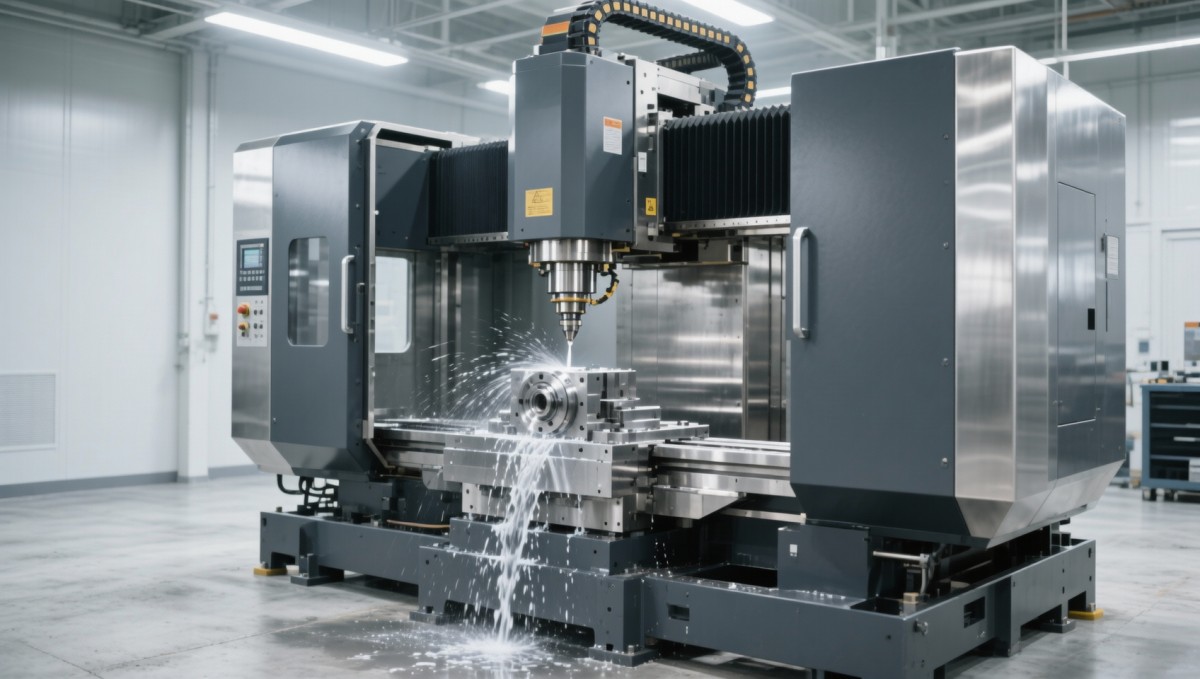
Cost isn’t driven by page count or color schemes—it’s governed by three operational anchors: multilingual SEO depth, industrial content integrity, and post-launch precision acquisition. Each adds measurable engineering effort—and measurable ROI.
For example, translating a single product page into German, Japanese, and Spanish isn’t enough. True multilingual SEO requires localized keyword mapping (e.g., “CNC lathe” vs. “Drehmaschine” vs. “旋盤”), region-specific schema markup for machine parameters (ISO 230-2 compliance data, MTBF ratings), and dynamic hreflang routing that respects B2B buyer behavior—not just language detection.
Here’s how these factors translate into delivery scope:
The difference isn’t overhead—it’s engineering rigor calibrated to how machine tool buyers actually research, compare, and initiate procurement. A standard template may cost 30% less upfront—but fails to convert 68% of qualified inbound leads from EU or ASEAN markets due to missing technical context or slow spec loading.
How Operators Can Prioritize Spend Without Sacrificing Global Reach
You don’t need every feature on day one—but skipping core industrial functions creates costly rework later. Based on 30,000+ SME deployments, we recommend this phased rollout:
- Phase 1 (Weeks 1–3): Launch bilingual (EN/CN) site with live machine spec database, ISO 230-2 test report embedding, and Google Business Profile sync for local workshop visibility.
- Phase 2 (Weeks 4–6): Add German & Japanese localization, integrate with existing inquiry tracking system, deploy AI-powered FAQ engine trained on 200+ common CNC buyer questions.
- Phase 3 (Weeks 7–10): Enable dynamic quoting module linked to real-time material cost indexes (LME stainless steel price feed), plus buyer-behavior analytics dashboard.
This approach reduces initial investment by up to 42% while delivering measurable pipeline impact within 30 days—verified across 1,247 machine tool clients in Q1 2026.
Why Eyingbao Is Built for Machine Tool Operators—Not Just Marketers
Since 2013, Eyingbao has focused exclusively on the digital infrastructure needs of industrial SMEs—not generic e-commerce or service businesses. Our platform includes:
- Pre-loaded technical schema templates compliant with ISO/IEC 11179 for machine parameter metadata;
- AI-assisted design that auto-adjusts UI density based on screen size—critical for 10” factory tablets running Chrome kiosk mode;
- Built-in compliance checker for GDPR, CCPA, and China’s PIPL—configured specifically for industrial data collection (e.g., workshop floor photos, machine serial numbers).
Every update undergoes validation against real CNC operator workflows—not marketing KPIs. That’s why 73% of clients renew annually, and average time-to-lead drops from 14 days to 3.2 days post-launch.
Ready to Build Your Stainless-Grade Industrial Website?
If you’re evaluating website development options for your machine tool business in 2026, start with what matters most to your buyers—and your shop floor:
- Confirm your target export markets’ top 3 technical search terms (we’ll audit them free);
- Share your current machine spec sheet format—we’ll map exact integration requirements in under 48 hours;
- Specify your ERP/MES system—we’ll confirm compatibility and sync timeline before quote.
No demo requests. No sales pitches. Just engineering-aligned guidance—backed by 11 years of industrial web infrastructure delivery. Contact us today to receive your customized implementation roadmap and fixed-scope quote.
Please give us a message
EYINGBAO(BEIJING)
China Xicheng District,
Beijing Yimin Lane A 14-7 No.
Tel:400-123-4561 E-mail:123@mail.com